Monday, July 16, 2012

How to clean marks off walls

Things you will need

Baking soda
Water
Small bowl

Instructions for painted walls

  1. Mix 1/4 cup of water and 2 tablespoons of baking soda in a small bowl to make a paste
  2. Wring out a clean, wet cloth or sponge
  3. Dab the cloth or sponge into some baking soda mixture and rub it on the mark.  Do this in a circular motion
  4. Rinse the wall with another well-wrung rag or sponge

Dave's Tip

Try using an eraser for scuff marks made by shoes or other objects

Cleaning Services Melbourne

How to clean a Fireplace Window Glass

Read your owner's manual to make sure your cleaning procedures don't invalidate the warranty. This is rarely a problem with recent fireplaces, but older models have a number of restrictions.

Things you will need

Razor blade or painting scraper

Ammonia - based cleaner

Disposable towels or rags

Instructions

1.     Remove the sooty buildup with a razor blade or paint scraper. You can skip this step if there is only minimal black debris on the windows.

2.     Spray the windows with an ammonia-based cleaner. You can make your own with a mixture of equal parts ammonia and water.

3.      Using clean towels, start wiping the windows in a circular motion. You won't be able to remove all of the buildup with a single wash. Spray and wipe at least three times.

4.      Use wet newspaper with a little bit of ash sprinkled on it if there are spots that won't come off with just the ammonia cleaner. The newspaper and ash will scrape off stubborn particles that ammonia alone will not remove.

5.     Allow the window to dry completely once all the visible soot has been removed. Spray and wipe down the windows one more time with ammonia and water. This will prevent most of the fogging from ash and sooty remains that aren't visible.

Tips and Warnings

Add 1/4 cup vinegar to your cleaning solution if fogging continues after cleaning. Occasionally burn an extremely hot fire to burn off excess soot from the windows. Most soot is material that hasn't completely burned, and so the heat will break down much of what you can see. Extra hot fires also help remove soot buildup from your chimney.

Make sure you do not clean the glass while it is still hot. Cold liquid on hot glass can cause it to shatter


Cleaning Services Melbourne

Monday, November 7, 2011

How to remove pet vomit from upholstery

1. Scoop up any solid matter from the upholstery. Use an old spoon to carefully scoop the vomit from upholstery, taking care not to further spread the vomit. Spray on a small amount of water if the solid particles need to be loosened to remove.
2. Sprinkle a generous coating of baking soda onto the vomit stain. Allow the area to dry completely for a few hours.
3. Vacuum the baking soda from the upholstery. Use the soft brush hose attachment to vacuum up the baking soda. The baking soda will have absorbed a large amount of the vomit stain.
4. Sprinkle another coating of baking soda onto the affected area. This will help to absorb any remaining vomit from the upholstery. Let it dry for a few hours then vacuum up the baking soda.
5. Pour some club soda onto the vomit. It is important to thoroughly cover the stain without completely soaking the upholstery.
6. Blot the stained upholstery with a thick stack of paper towels. Continue blotting, switching to clean portions of the paper towels frequently, until no more vomit is lifting from the upholstery.
7. Rinse the area with a rag and plain water. Dry with a clean rag to soak up excess moisture.

Upholstery Dry Cleaning Melbourne

Wednesday, November 2, 2011

How to remove ice cream stains from fabric upholstery

1. Immediately scrape to remove any excess ice cream.
2. Sponge the area with a dry-cleaning solvent.
3. Apply dry spotter and cover with an absorbent pad moisted with dry spotter. Let it stand as long as any stain is being removed. Change the pad as it picks up the stain and keep the stain and pad moist with dry spotter.
4. Flush with one of the liquid dry-cleaning solvents. If any stain remains, apply a few drops of liquid dishwashing or laundry detergent and a few drops of ammonia to the area.
5. Tamp (the method of bringing a brush down with light strokes on stained durable fabrics and materials) or scrape to loosen the stain. Keep the stain moist with detergent and ammonia solution. Blot occasionally with an absorbent pad.
6. Flush well with water to remove all ammonia and allow to dry.

Cleaning Services Home

Friday, October 28, 2011

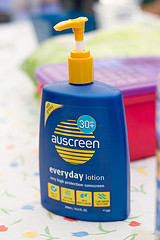
How to remove sunscreen stains from fabric upholstery

1. Gently scrape to remove excess lotion.
2. Moisten the spot with water and apply an enzyme pre-soak (follow directions on label).
3. Let the stain soak for 30 minutes.
4. Flush the area with water.
5. If possible, launder immediately. If not, allow the fabric to air dry.


Cleaning Services Business

Wednesday, October 26, 2011

How to remove eyeliner / eye pencil / eye shadow stains from fabric upholstery

1. Brush or blot away any excess, taking care not to spread the stain.
2. Flush with a dry-cleaning solvent such as Afta Cleaning Fluid.
3. Apply a dry spotter to the stain and cover with a cloth dampened with the dry spotter.
4. Check the stain often, tamping (the method of bringing a brush down with light strokes on stained durable fabrics and materials) before changing the pad.
5. Continue alternate soaking and tamping until no more stain is lifted.
6. Flush with one of the dry-cleaning solvents and allow to dry.
7. If any stain remains, try the same procedure of soaking and tamping, using a wet spotter and a few drops of ammonia.
8. When the stain is gone, be sure to flush the area with water to remove all traces of ammonia. Launder as soon as possible.

Carpet Rug Cleaning

Tuesday, October 25, 2011

How to remove blush stains from fabric upholstery

1. Brush or blot up any excess, taking care not to spread the stain.
2. Flush the spot(s) with stain remover.
3. Apply a dry spotter to the stain and cover with a cloth dampened with the dry spotter.
4. Check the stain often, tamping (the method of bringing a brush down with light strokes on stained durable fabrics and materials) before changing the pad. Continue alternate soaking and tamping until no more stain is lifted.
5. Flush with a dry-cleaning solvent and allow to dry. If any stain remains, try the same procedure of soaking and tamping using a wet spotter and a few drops of ammonia.
6. When the stain is gone, be sure to flush the area with water to remove all traces of ammonia.
7. Launder as soon as possible.

Upholstery Dry Cleaning

Twitter Delicious Facebook Digg Stumbleupon Favorites More